In today’s digital era, there’s a buzzword that’s gaining momentum among tech enthusiasts and the general populace alike – Web3. But what exactly is Web3? In this article, we dissect the concept, its main features, use cases, pros and cons, and much more. Let’s dive in.
What is Web3?

What is Web3?- short for Web 3.0, represents the third generation of the internet. It’s a term used to describe a new paradigm for applications on the internet. This includes decentralized networks and services that are less reliant on central authorities, such as blockchain technology and cryptocurrencies. Web3 aims to create a more open, trustless, and user-empowered online experience.
Main Features of Web3
1. Decentralization
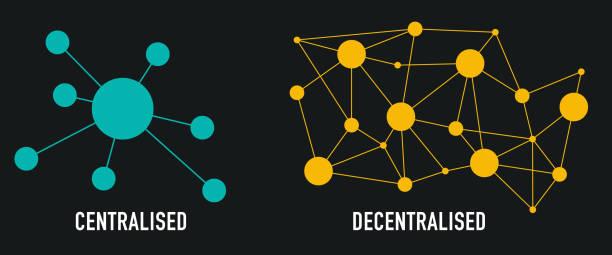
One of the core features of Web3 is decentralization, which means that no single entity has control over the entire network. This is often achieved through blockchain technology, which allows data to be stored across a network of computers.
Smart Contracts
Smart contracts are self-executing contracts with the terms directly written into code. They facilitate, verify, and enforce the negotiation or performance of a contract in a secure and tamper-proof way.
User Empowerment
Web3 emphasizes user control over personal data. It enables users to own and control their information, rather than leaving it in the hands of centralized platforms.
Web3 Use Cases
Cryptocurrencies and Financial Services

Web3 enables the creation of cryptocurrencies and decentralized financial services. This has led to the rise of DeFi (Decentralized Finance), which aims to create an open and non-custodial financial system.
Decentralized Applications (dApps)
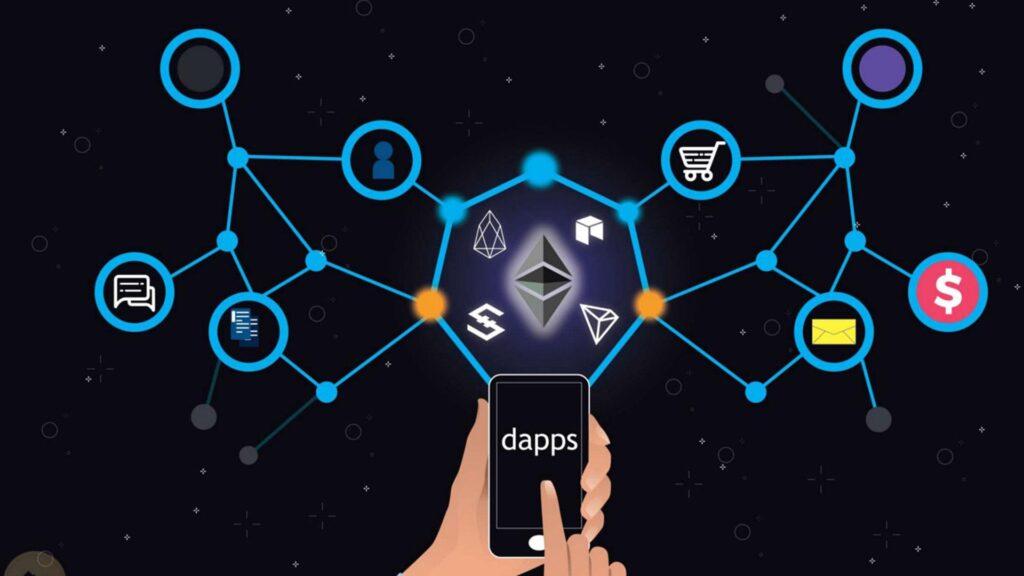
dApps are applications that run on a blockchain or P2P network. They are open source, autonomous, and operate with tokens. Examples include decentralized exchanges, gaming platforms, and marketplaces.
Identity Management
Web3 allows for decentralized identity management. Users can have a single, self-sovereign identity that they can use across various services without relying on a central authority.
Disadvantages of Web3
Complexity

Web3 technologies like blockchain and smart contracts are complex and can be difficult for the average person to understand and use.
Scalability
Blockchains, which are essential for Web3, have scalability issues. As the number of transactions increases, the time it takes for these networks to process them can be slow and costly.
Regulatory Challenges
Web3 faces regulatory challenges as governments around the world are still figuring out how to classify and regulate cryptocurrencies and blockchain technology.
Pros and Cons of Web3
Pros
- User Empowerment: Users have more control over their data.
- Trustlessness: No need to trust a central authority.
- Innovation: New business models and services are emerging.
Cons
- Usability: It can be less user-friendly.
- Volatility: Cryptocurrency markets are highly volatile.
- Security Risks: Smart contracts can have vulnerabilities.
Conclusion
Web3 represents a shift towards a more decentralized and user-centric web. While it holds the promise of innovation and empowerment, it also comes with its set of challenges and limitations. As Web3 continues to evolve, it’s important to understand its features and implications to make the most of the opportunities it presents.
Share to Help